Introduction: from garden game to serious sport
Most people get to know the cornhole game in the garden, at the campsite or during a barbecue. We often call that backyard cornhole: fun, accessible and with flexible rules. But there is also a serious side to the game: competitive cornhole, with official rules, fixed distances and tournaments.
In this guide we explain the differences between backyard and competitive cornhole, and how you can progress step by step. First looking for the basics? Then check out What is cornhole? – Basics & game overview or the ultimate cornhole beginner’s guide.
What is backyard cornhole?
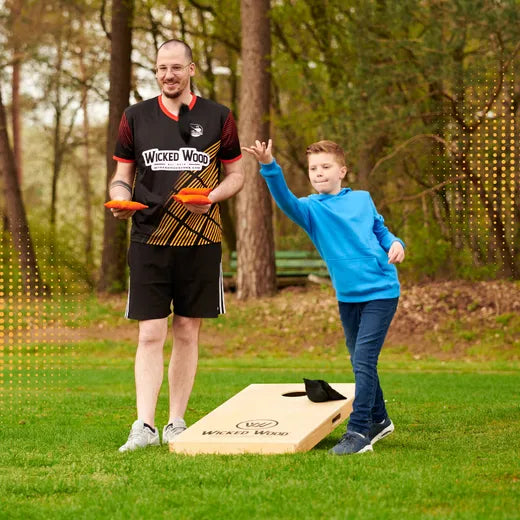
Backyard cornhole is the informal version of the game. You use whatever is available, play with friends or family and adjust the rules as needed.
- Distance and setup are chosen “by feel”;
- Not always official boards and bags;
- Rules and scoring can differ per group;
- The emphasis is on having fun, not on perfect technique.
This form is ideal to get acquainted with the cornhole game and to let everyone join in quickly, especially in combination with game nights and barbecues. You can read more about this in How cornhole became a game night classic.
What is competitive cornhole?
Competitive cornhole follows official cornhole rules and standards. Players take the game seriously, train regularly and participate in leagues or tournaments.
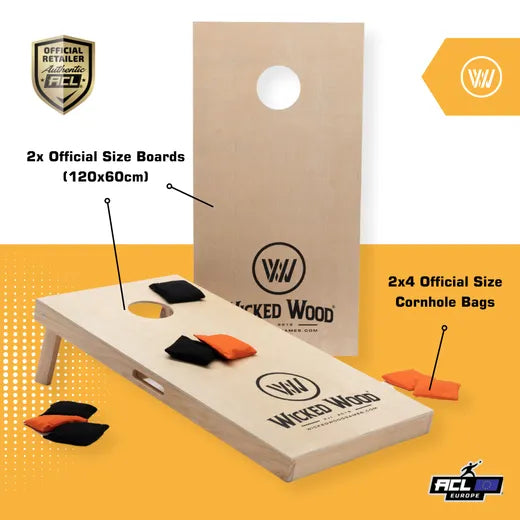
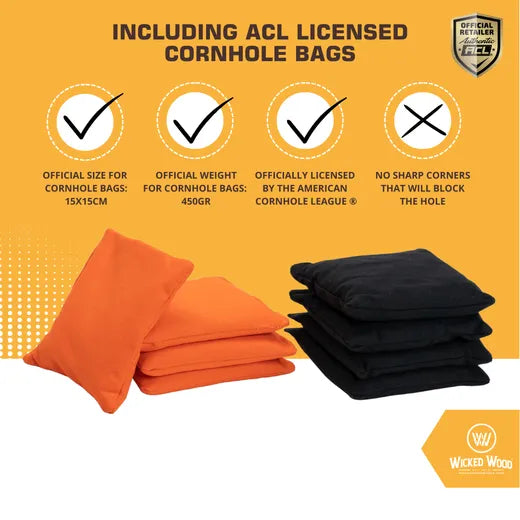
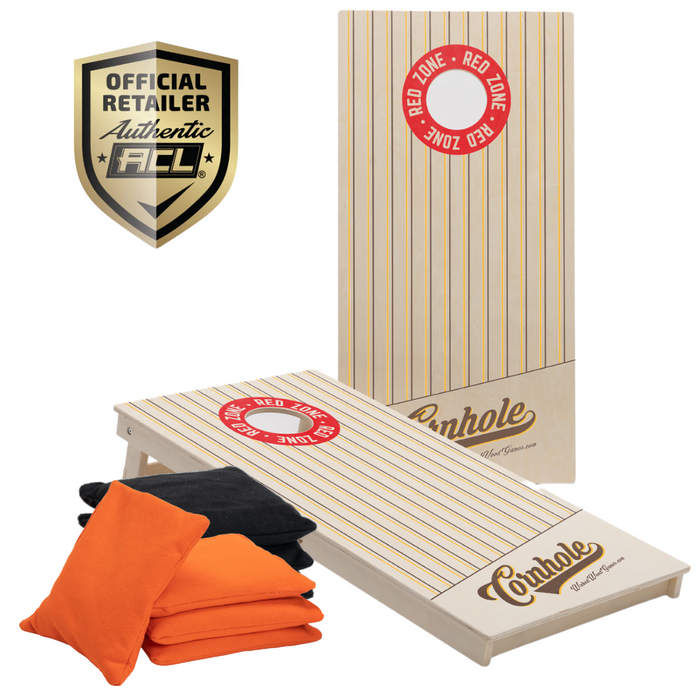
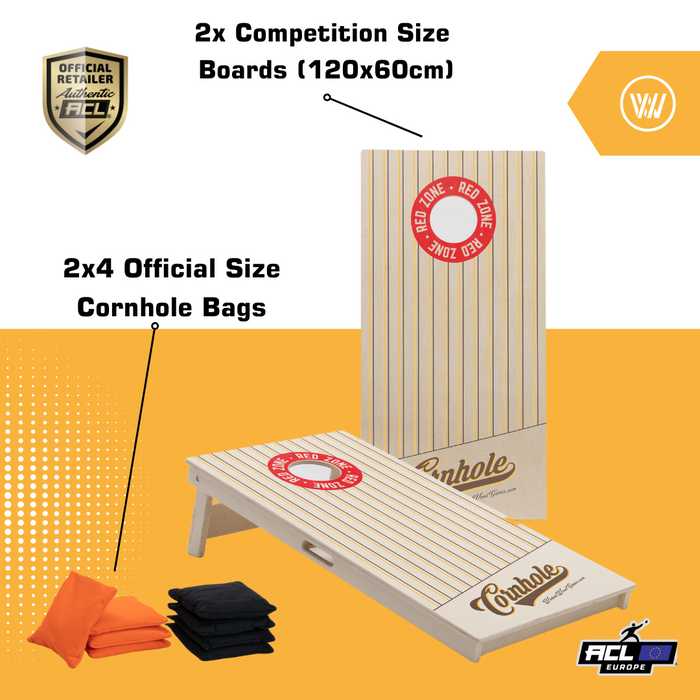
- Fixed dimensions of boards and bags;
- Standard distance of 8.23 meters between the boards;
- Official scoring with cancellation scoring;
- Strict rules regarding fouls, time and behavior;
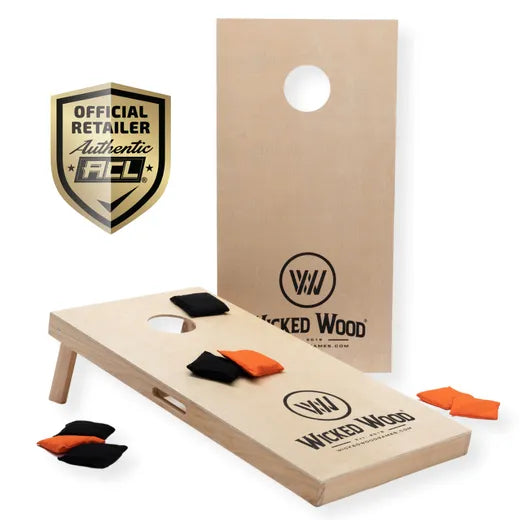
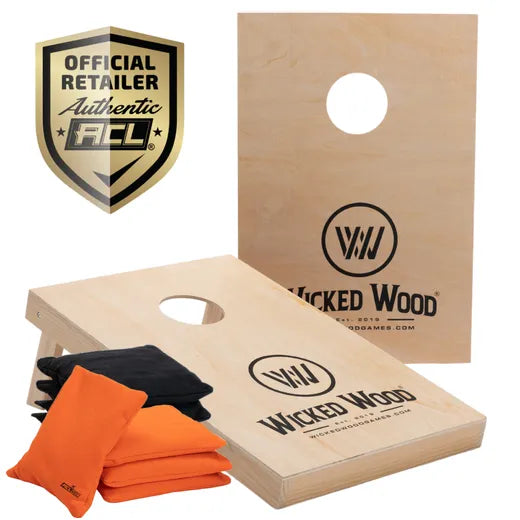
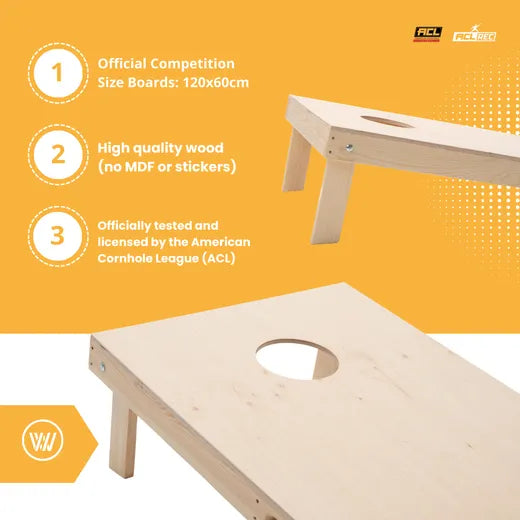
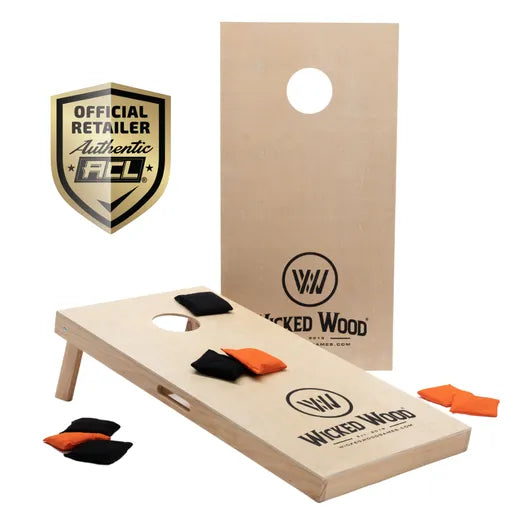
- Use of high-quality cornhole sets.
On Is cornhole a sport? you can read how cornhole developed into a serious competitive sport.
Main differences between backyard and competitive cornhole
1. Rules and scoring
In the garden many groups use their own house rules, for example: “everything that lands on the board is 1 point”. In competitive cornhole there are clear agreements, as we explain in Cornhole overview: rules, setup and scoring.
- 3 points for a bag in the hole;
- 1 point for a bag on the board;
- cancellation scoring after each turn;
- often playing to 21 points.
2. Equipment and quality
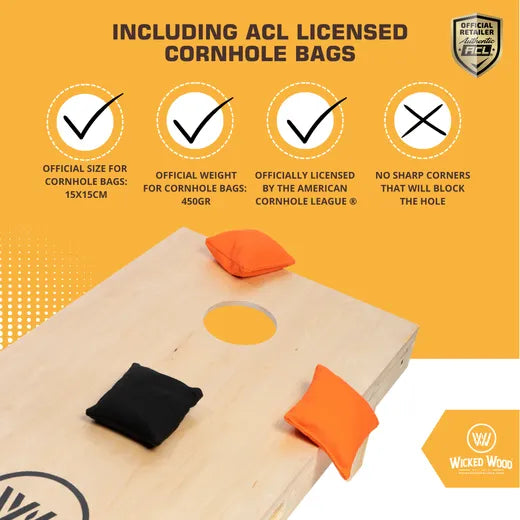
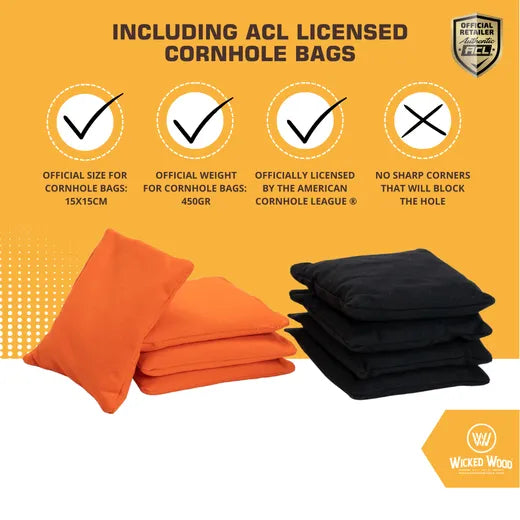
Backyard sets are sometimes smaller, made of thin wood or even plastic. Competitive players use regulation boards and bags with consistent slide characteristics, as in our cornhole bags collection.
3. Distance and playing field
In the garden the distance is often shortened for children or limited space. That’s perfectly fine for backyard cornhole. In competitive cornhole, adults by default use the full 8.23 meters.
Why players move from backyard to competitive cornhole
Many players start casually, but soon notice that they:
- want to keep getting better;
- enjoy keeping track of scores;
- become curious about tournaments and leagues;
- want to experience what it feels like to play at the official distance.
This natural progression can be seen all over the world. On Cornhole worldwide: international growth you can read how the game is developing internationally into a community and sport.
Step by step towards competitive cornhole
Do you want to move from backyard to competitive cornhole? Then start with small adjustments:
- Use regulation boards and bags;
- Play at the correct distance for adults;
- Apply official scoring and rules;
- Practice with a focus on technique and consistent throws.
Together with friends or colleagues you can then organize small tournaments or team-building events with cornhole to gain experience.
Frequently asked questions about backyard vs competitive cornhole
What is the biggest difference between backyard and competitive cornhole?
Backyard cornhole is informal and flexible in rules and distances. Competitive cornhole uses official rules, standards for distances and equipment, and is often played in tournaments and leagues.
Do I need professional boards to play competitively?
If you want to move towards a competitive level, it is highly recommended to play with regulation boards and bags. This way you get used to the real feel and conditions of official matches.
Can I combine backyard cornhole and competitive cornhole?
Absolutely. You can play at home in the garden with official rules and equipment, but keep the atmosphere friendly and informal. This way you practice for competition without noticing while still playing in a relaxed way.
How do I know if competitive cornhole is for me?
If you notice that you want to improve, practice technique and play regularly, competitive cornhole is a logical next step. Try a local tournament or league and experience the atmosphere for yourself.
Where can I learn the basics of the cornhole game?
For the basics of the cornhole game you can visit What is cornhole? and the ultimate beginner’s guide. An overview of rules and scoring can be found at Cornhole overview: rules, setup and scoring.